

ASAP:
First Responders
Acute Stress Adaptive Protocol, because you deserve care, too.
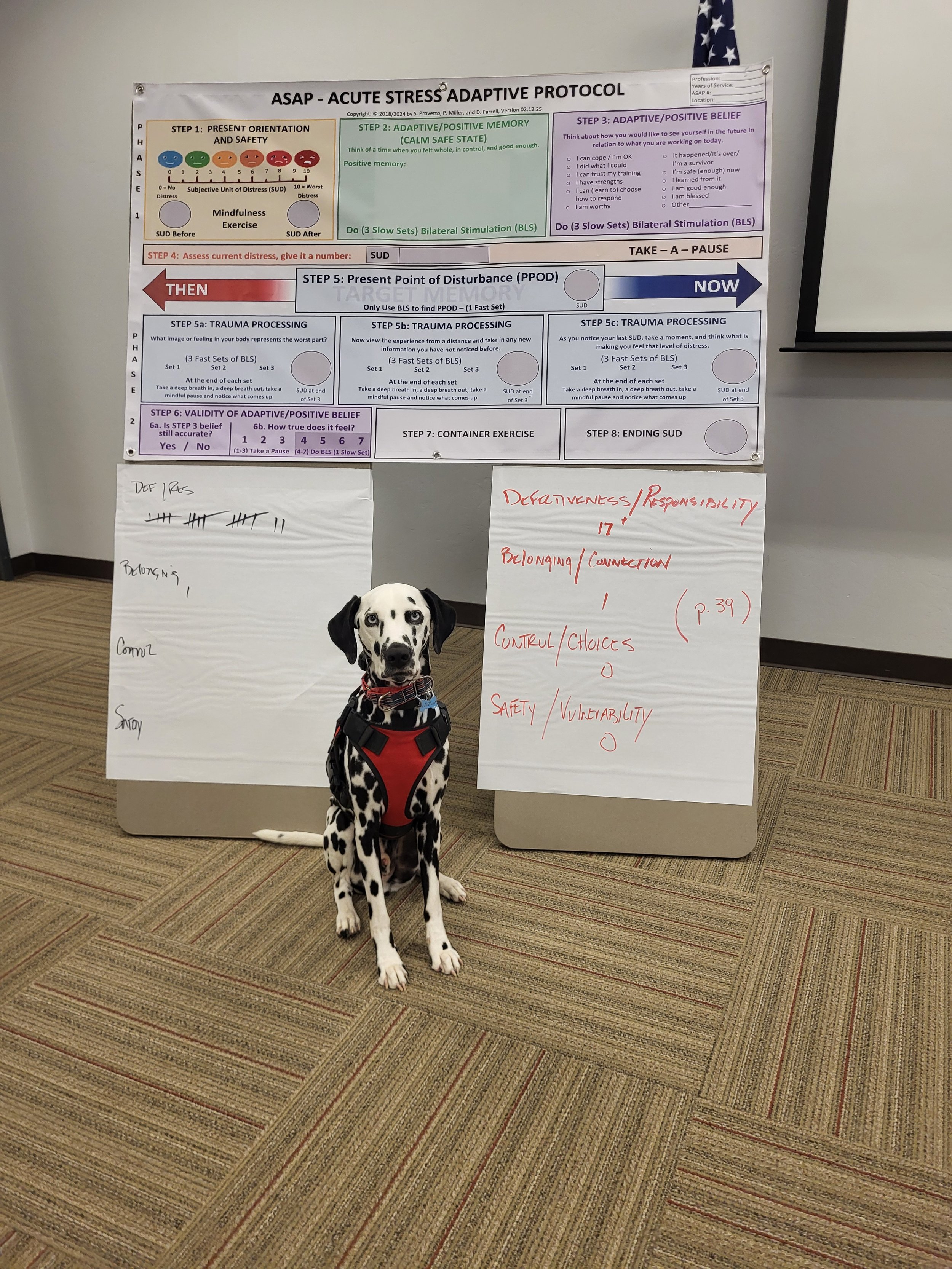
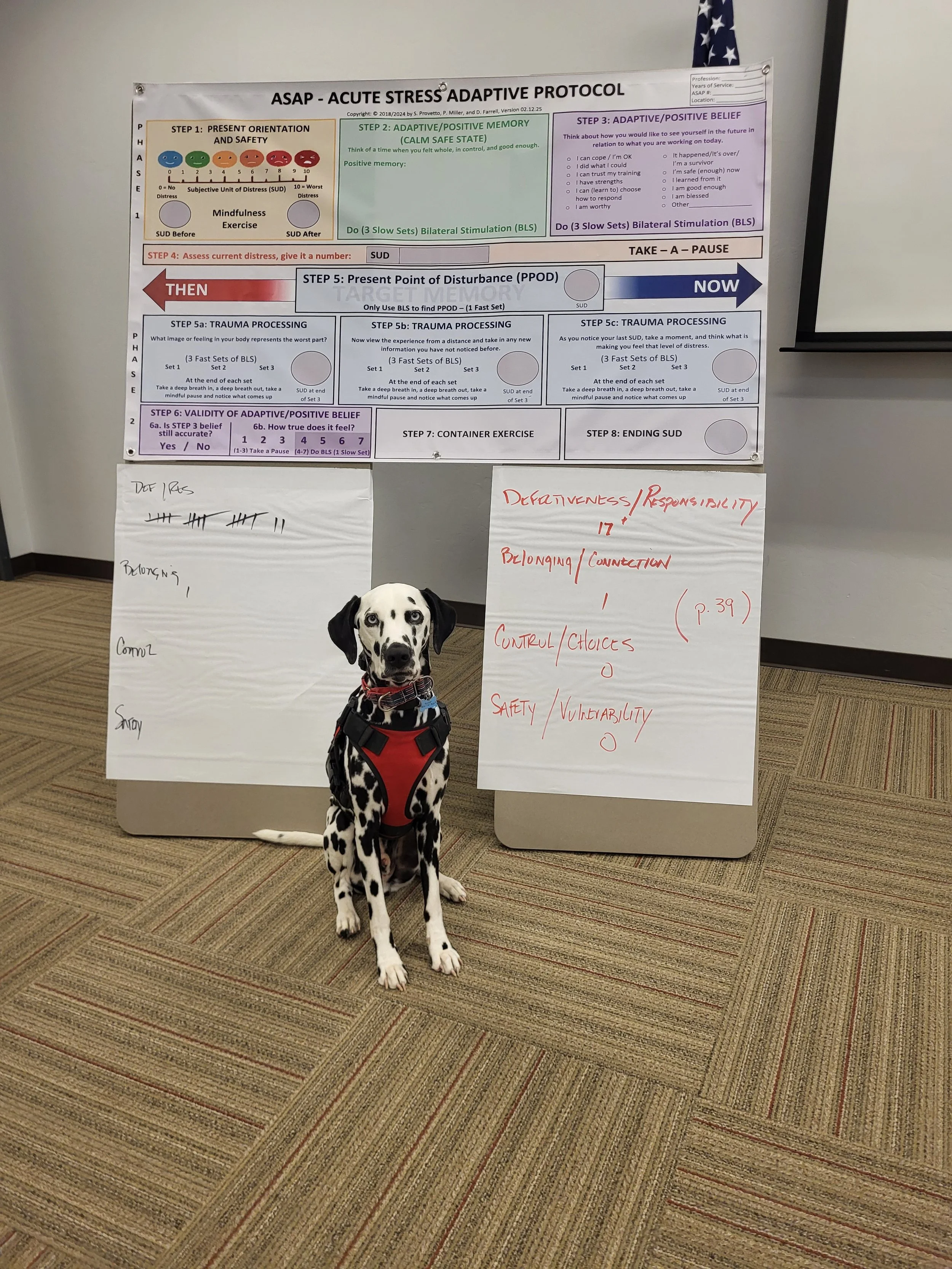
ACUTE STRESS ADAPTIVE PROTOCOL
The Acute Stress Adaptive Protocol (ASAP) is a structured, advanced peer-support–based intervention designed to help individuals regulate acute stress reactions following high-impact or high-intensity events. ASAP focuses on stabilizing the nervous system, reducing immediate stress responses, and restoring functional readiness so individuals can safely return to duty or transition into rest and recovery.
This protocol is not therapy and does not replace clinical care. Instead, ASAP provides practical, evidence-informed tools that support emotional regulation, situational awareness, and stress adaptation in the moment or shortly after an incident. It can be delivered one-on-one or in small group settings by trained peer supporters and is appropriate for use across responder environments.
ASAP is particularly effective following critical incidents, cumulative stress exposure, or operationally demanding situations where responders may experience heightened physiological or emotional activation. The goal is to support resilience, normalize stress responses, and reduce the long-term impact of unprocessed acute stress.
Rooted in the
Science of EMDR
EMDR, an evidence-based method, has been proven to be a safe and successful intervention for trauma and PTSD.
Advanced Peer
Support
We are dedicated to offering the most effective, efficient, and safest peer support interventions. In just 40 minutes, you can reduce a peer's stress by 50%.
PERSONNEL
Retention
The actual expenses associated with recruiting and training a new officer exceed $150,000. The value of ASAP training and maintaining the resilience of your department is truly invaluable.
Research on ASAP has demonstrated its safety, effectiveness, relevance, and efficiency. Notably, it has been shown to reduce post-traumatic stress symptoms by an impressive 44% in first responders.
Advantages of Using the ASAP The ASAP is a versatile tool, suitable for addressing various life-stressing events repeatedly. The ASAP can be utilized with both large groups and one-on-one settings with peers. Homogeneity among participants is not a requirement for administering the ASAР. The ASAP participants are not required to discuss traumatic material, ensuring a non-invasive approach. The ASAP can be used just three days after an Officer-Involved Shooting (OIS) event. The ASAP is facilitated by peers for peers, fostering a supportive and empathetic environment. The ASAP serves as a screening tool for identifying severe traumatic stress. The ASAP offers stabilization and resource-building techniques to enhance self-regulation. The ASAP is a safe, effective, efficient, and relevant program tailored specifically for the responder population.