Asking for Help, it’s never easy
Asking for Help
Kate Klasen
Asking for help is never easy. As a first responder, it can feel nearly impossible.
Even after being retired for ten years, it’s still not easy for me—though I’m slowly getting better at it. For a long time, my coping mechanism was to shut down and not talk at all. That never really worked either, but it felt safer than opening up.
This week, I received the phone call no one ever wants to get—the call that a friend has passed away. Not just a friend, but a former coworker. A patrol officer I had known for twenty-seven years.
The words reached my ears, but my brain refused to process them. I was driving at the time and knew it wasn’t registering. Coincidentally, I was on my way to a class on moral injury. It wasn’t until the topic of addiction came up during that class that the news finally hit—and when it did, it hit hard.
What surprised me most was that along with sadness, I felt overwhelming anger.
I was angry because the job and alcohol took my friend. The very thing Bishop’s Mission exists to help address is the very thing that took him away—because he didn’t have the right resources.
“110” was a cop’s cop. He was someone people looked up to. When he told you that you did a good job, it meant something. He loved the job and he was good at it. Outside of the uniform, he was the guy who would help you any way he could. He always checked in—just to see how you were doing.
So yes, it was shocking to learn he struggled with alcohol.
That part of the news broke my heart even more.
It saddened me to think that he felt the bottle was his only option. And it hit even closer to home because I grew up as the daughter of a responder who also turned to alcohol to deal with his demons. That choice affected many aspects of my life—and now I think about my friend’s family, especially his daughter, who may have to endure some of the same consequences for the same reasons.
Too much pride to ask for help.
But it isn’t just about asking. It’s also about finding the right resources. Resources that truly understand first responders—because we are a different breed. What works for the general population doesn’t always work for us.
I was angry because I felt he deserved so much more in the end. He was one of the people I never thought the job would get to. But clearly, it did.
As I processed everything, I noticed myself slipping back into old habits—isolating and pulling inward. I needed time to process what had happened. But then something different happened.
This time, when people reached out and asked if I was okay, I was able to talk about it.
The peer support I received didn’t just help—it went above and beyond. For the first time, I felt that people truly cared. I was able to talk to peers who understood. That made all the difference.
They understood the sadness.
They understood the anger.
They understood the reactions I was having.
There was no judgment—only simple words: “We’re here for you.”
It was the first time I truly understood what peer support is meant to be.
This experience didn’t just give me the strength to keep moving forward with Bishop’s Mission, no matter how hard it gets—it also gave me a deeper perspective on just how critical peer support truly is.
110 may no longer be with us, but his legacy lives on within
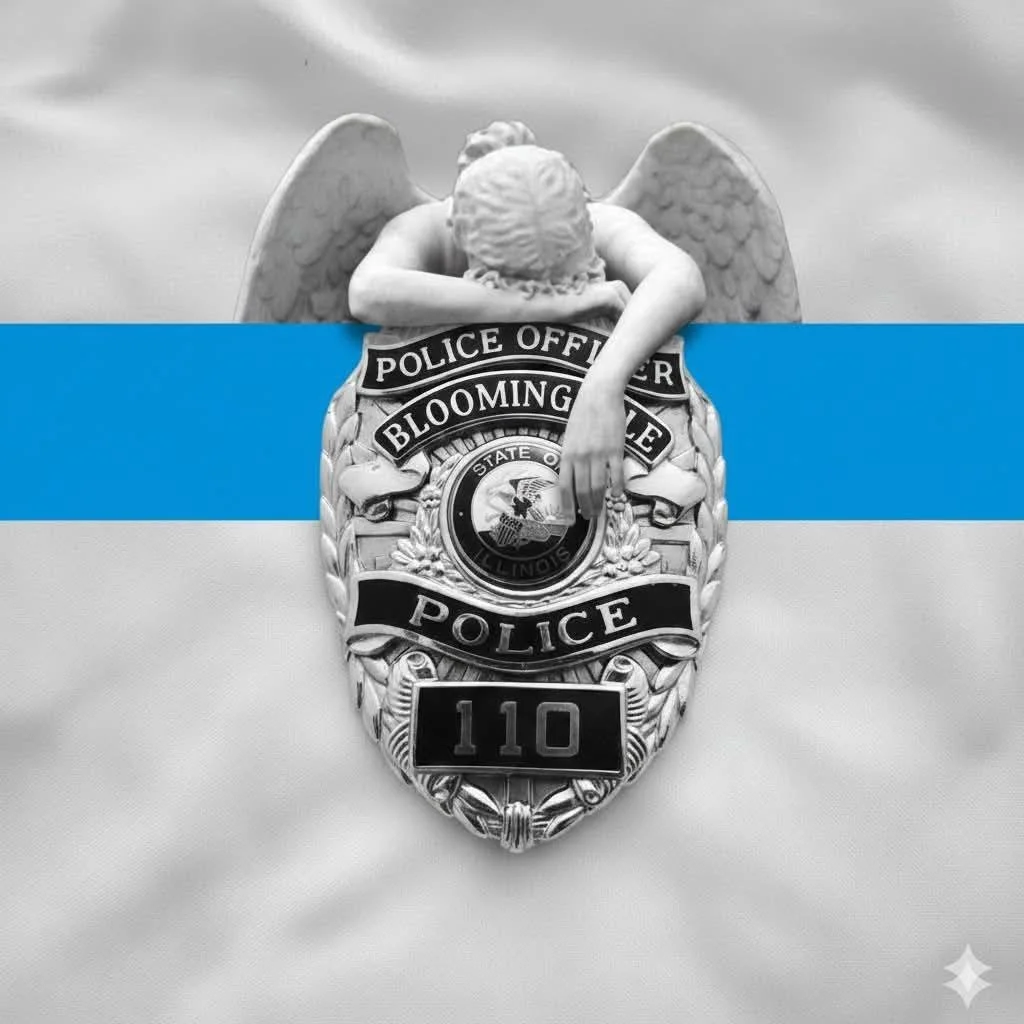
RIP brother